MA Focus
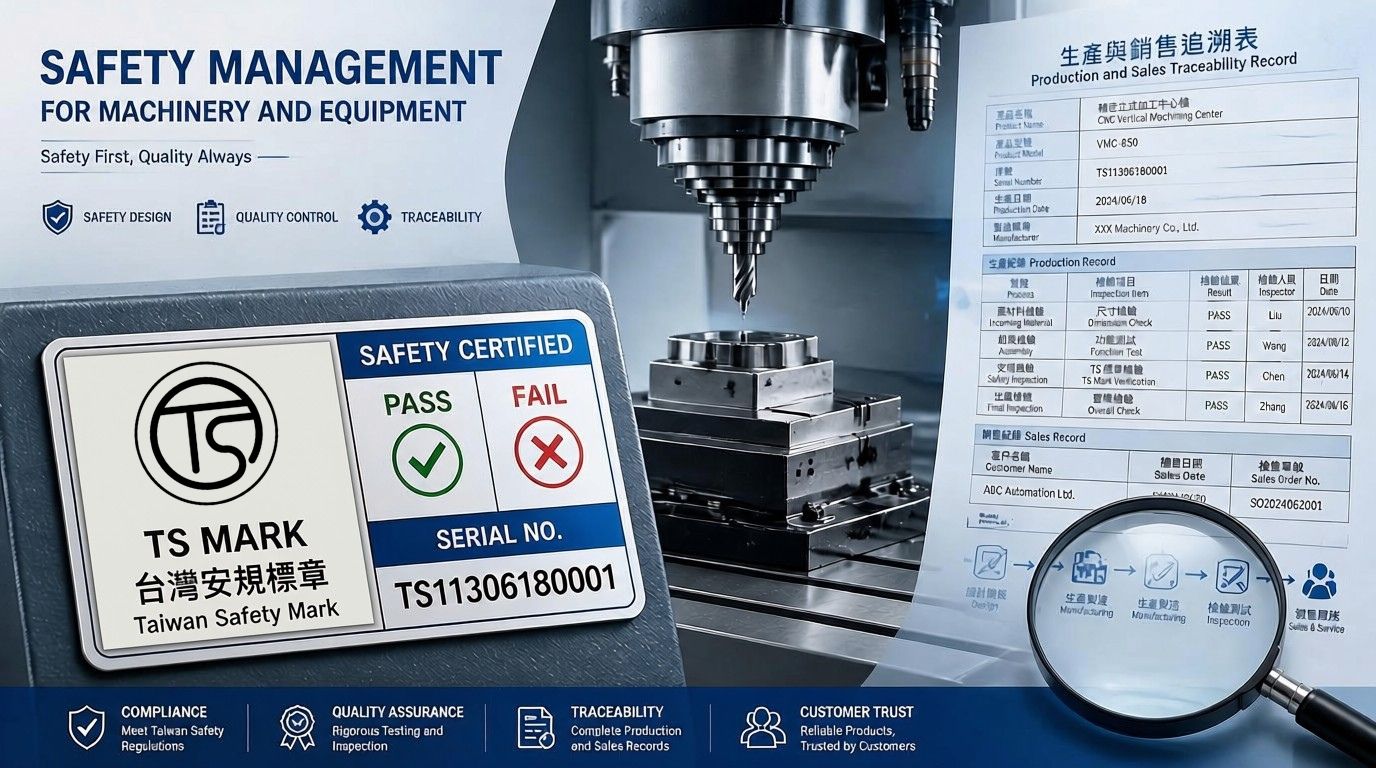
Analyzing the Amendment to Article 9 of Taiwan’s Occupational Safety and Health Act: How Source Traceability Supports Digital Transformation in the Machine Tool Industry
This article examines the amendment to Article 9 of Taiwan’s Occupational Safety and Health Act, highlighting its role in strengthening source management of machinery and equipment through stricter safety marking rules, production-sales data retention, and market inspection mechanisms. It further explains how the amendment’s emphasis on traceability and data transparency aligns with the European Union’s Digital Product Passport (DPP) framework. For Taiwan’s machine tool industry, the amendment should be viewed not only as a compliance requirement, but also as an opportunity to accelerate digital management and enhance competitiveness in global sustainable supply chains.
Industry scan
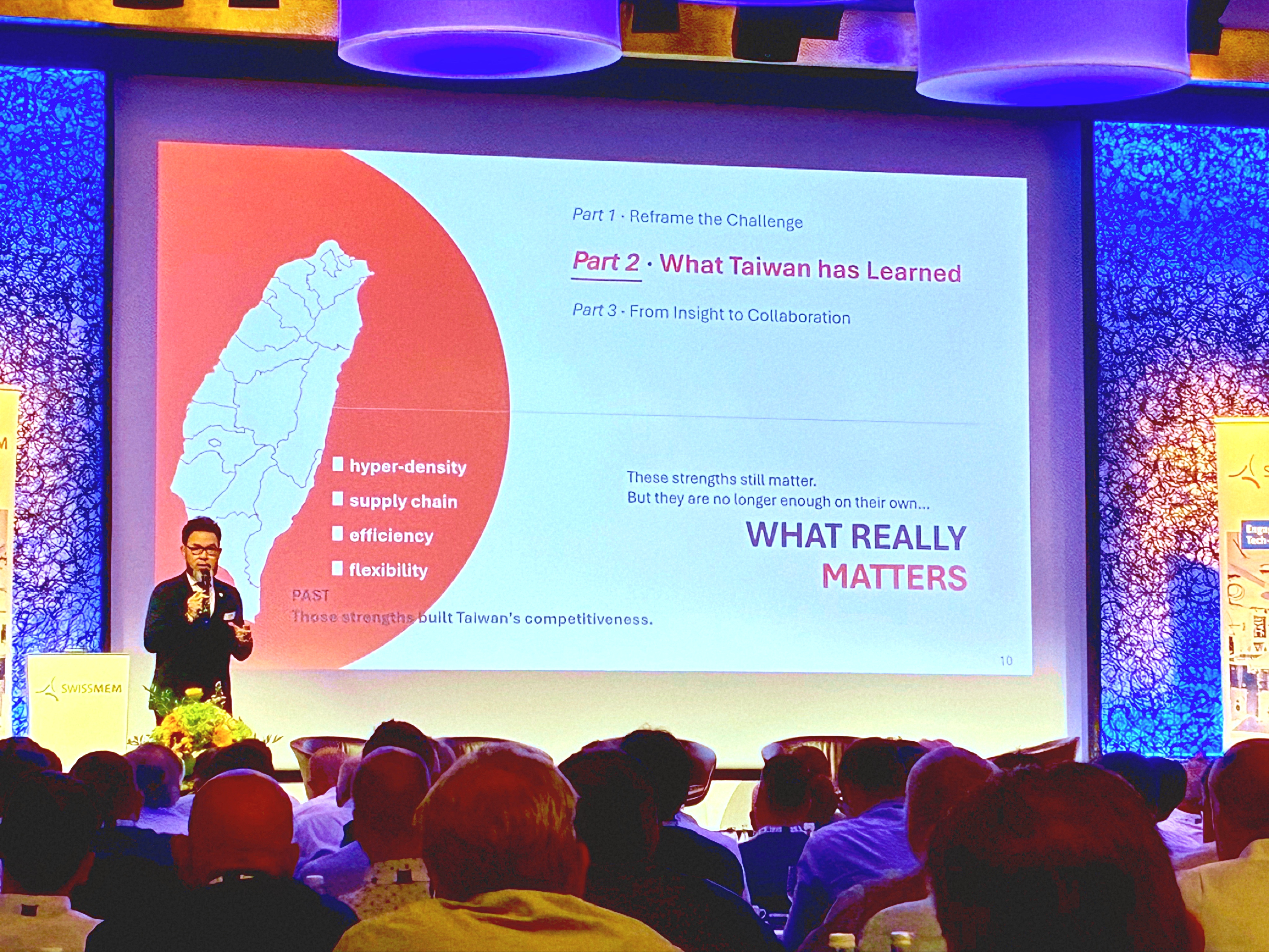
SWISSMEM Symposium Explores Shifts in Global Manufacturing as TMBA Shares Taiwan’s Perspective
The SWISSMEM Symposium 2026 examined manufacturing competition amid global supply chain restructuring, China’s industrial upgrading, and digital transformation. Invited speaker TMBA Chairman Wen-Hsien Chen shared Taiwan’s machine tool industry experience, highlighting its dense supply network, comprehensive industrial clusters, and flexible manufacturing capabilities. He identified System, Focus, Reliability, and Connection as four essential strengths for future competitiveness. Discussions emphasized that quality alone is no longer sufficient, as customers increasingly value speed, collaboration, return on investment, and measurable outcomes. Taiwan’s manufacturing ecosystem offers a strong foundation for turning technological expertise into integrated solutions that create tangible business value for global customers.
MA Focus
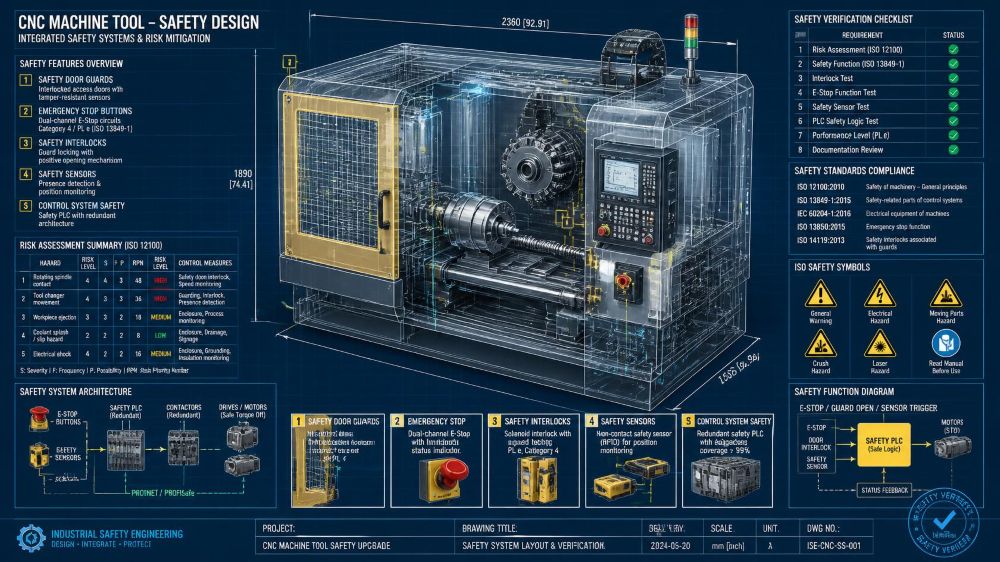
Designing Safety into Machine Tools: Risk Assessment, Industry Standards, and Validation as the Path to Inherent Safety
This article explores how Taiwan’s machine tool and machinery equipment industries can enhance competitiveness through inherent safety. As smart manufacturing, automation, and human–machine collaboration introduce new risks, equipment safety must move upstream from workplace management to the design and manufacturing stages. Since 2019, Taiwan’s Occupational Safety and Health Administration has promoted an industrial inherent safety initiative through three approaches: machinery risk assessment, industry safety standards, and equipment safety validation. Together, these measures help manufacturers and users build life-cycle safety management. Looking ahead, safety-oriented design will become a key foundation for supply chain trust and global market competitiveness.
Tech trends
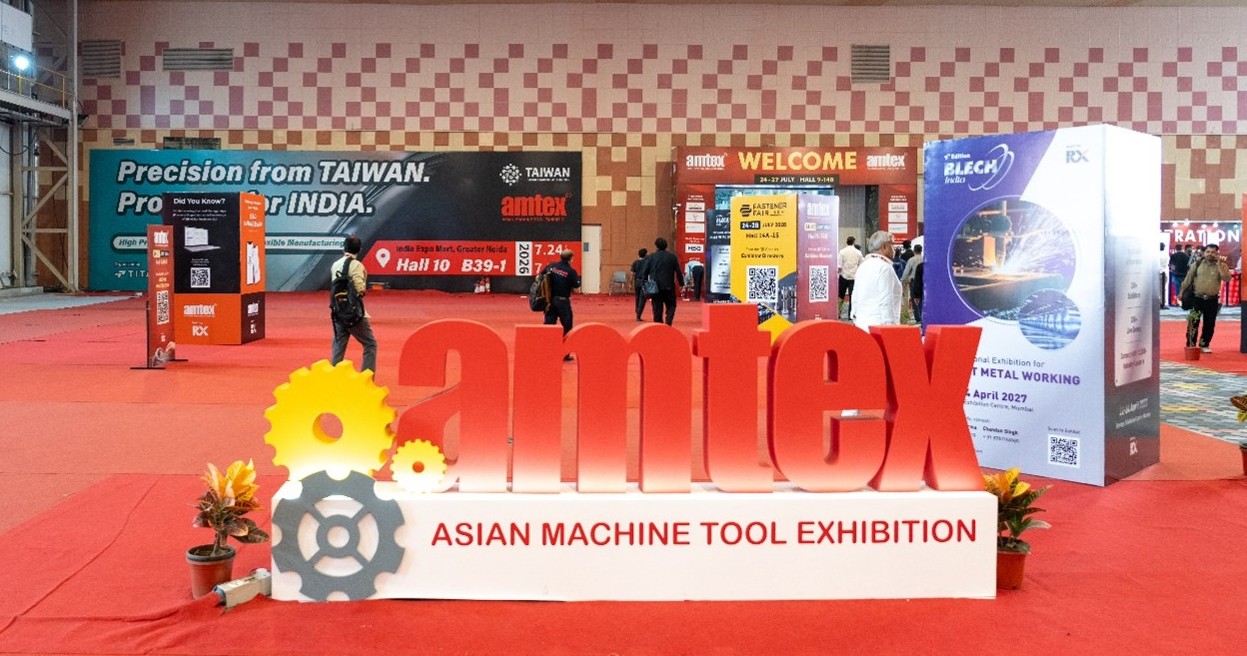
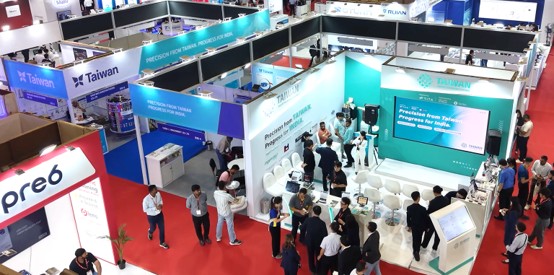
Smart Manufacturing Meets Localization: India’s Machine Tool Technology Trends at AMTEX 2026
AMTEX 2026 highlights India’s dual-track machine tool development: continued expansion of basic equipment alongside rapid advancement in high-end smart manufacturing. Local builders are increasingly integrating automation, machine connectivity, production management, and condition monitoring into complete solutions. Taiwanese suppliers can capitalize on this transformation by providing high-precision core components, smart sensing technologies, and application services. A phased market-entry strategy—beginning with local agents, system integrators, technical validation, service hubs, and spare-parts support, followed by local assembly or manufacturing—can help reduce price competition and entry risks while creating sustainable opportunities within India’s expanding manufacturing ecosystem.
Tech trends
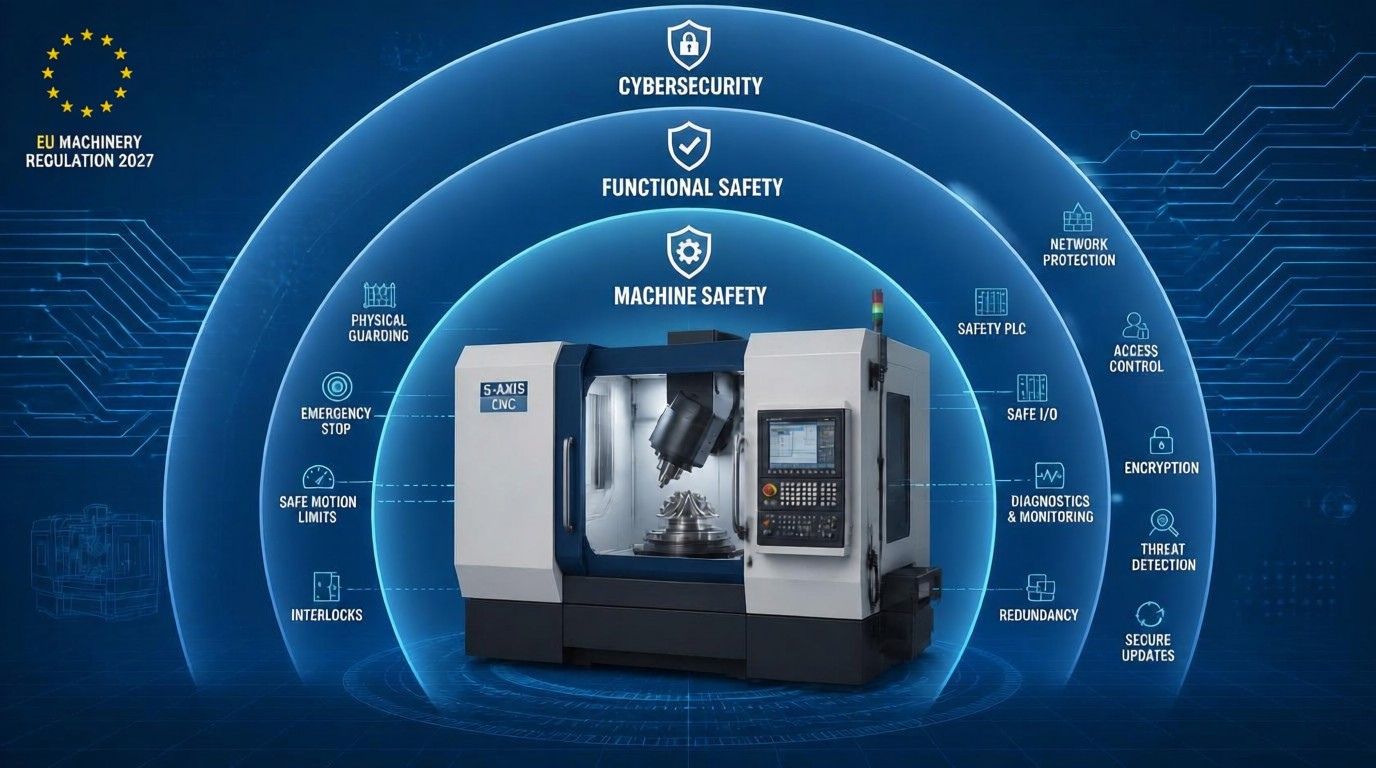
Entering the EU Machinery Regulation Era: Rethinking Manufacturing Safety Through Machine Safety, Functional Safety and Cybersecurity-
The EU Machinery Regulation (MR) and Cyber Resilience Act (CRA) are reshaping the concept of modern machinery safety. As smart manufacturing, industrial IoT and remote maintenance become more common, machinery is no longer an isolated system, and cybersecurity incidents may directly compromise control logic and safety functions. This article emphasizes that future machinery safety will rely on three interconnected pillars: machine safety, functional safety and cybersecurity. Manufacturers should adopt Safety & Security by Design, establish integrated safety engineering processes and lifecycle management, and build a more reliable foundation for next-generation intelligent machinery.
MA Focus
This article examines the amendment to Article 9 of Taiwan’s Occupational Safety and Health Act, highlighting its role in strengthening source management of machinery and equipment through stricter safety marking rules, production-sales data retention, and market inspection mechanisms. It further explains how the amendment’s emphasis on traceability and data transparency aligns with the European Union’s Digital Product Passport (DPP) framework. For Taiwan’s machine tool industry, the amendment should be viewed not only as a compliance requirement, but also as an opportunity to accelerate digital management and enhance competitiveness in global sustainable supply chains.
Industry scan
The SWISSMEM Symposium 2026 examined manufacturing competition amid global supply chain restructuring, China’s industrial upgrading, and digital transformation. Invited speaker TMBA Chairman Wen-Hsien Chen shared Taiwan’s machine tool industry experience, highlighting its dense supply network, comprehensive industrial clusters, and flexible manufacturing capabilities. He identified System, Focus, Reliability, and Connection as four essential strengths for future competitiveness. Discussions emphasized that quality alone is no longer sufficient, as customers increasingly value speed, collaboration, return on investment, and measurable outcomes. Taiwan’s manufacturing ecosystem offers a strong foundation for turning technological expertise into integrated solutions that create tangible business value for global customers.
MA Focus
This article explores how Taiwan’s machine tool and machinery equipment industries can enhance competitiveness through inherent safety. As smart manufacturing, automation, and human–machine collaboration introduce new risks, equipment safety must move upstream from workplace management to the design and manufacturing stages. Since 2019, Taiwan’s Occupational Safety and Health Administration has promoted an industrial inherent safety initiative through three approaches: machinery risk assessment, industry safety standards, and equipment safety validation. Together, these measures help manufacturers and users build life-cycle safety management. Looking ahead, safety-oriented design will become a key foundation for supply chain trust and global market competitiveness.
Tech trends
AMTEX 2026 highlights India’s dual-track machine tool development: continued expansion of basic equipment alongside rapid advancement in high-end smart manufacturing. Local builders are increasingly integrating automation, machine connectivity, production management, and condition monitoring into complete solutions. Taiwanese suppliers can capitalize on this transformation by providing high-precision core components, smart sensing technologies, and application services. A phased market-entry strategy—beginning with local agents, system integrators, technical validation, service hubs, and spare-parts support, followed by local assembly or manufacturing—can help reduce price competition and entry risks while creating sustainable opportunities within India’s expanding manufacturing ecosystem.
Tech trends
The EU Machinery Regulation (MR) and Cyber Resilience Act (CRA) are reshaping the concept of modern machinery safety. As smart manufacturing, industrial IoT and remote maintenance become more common, machinery is no longer an isolated system, and cybersecurity incidents may directly compromise control logic and safety functions. This article emphasizes that future machinery safety will rely on three interconnected pillars: machine safety, functional safety and cybersecurity. Manufacturers should adopt Safety & Security by Design, establish integrated safety engineering processes and lifecycle management, and build a more reliable foundation for next-generation intelligent machinery.
Featured Articles
-
Analyzing the Amendment to Article 9 of Taiwan’s Occupational Safety and Health Act: How Source Traceability Supports Digital Transformation in the Machine Tool IndustryThis article examines the amendment to Article 9 of Taiwan’s Occupational Safety and Health Act, highlighting its role in strengthening source management of machinery and equipment through stricter safety marking rules, production-sales data retention, and market inspection mechanisms. It further explains how the amendment’s emphasis on traceability and data transparency aligns with the European Union’s Digital Product Passport (DPP) framework. For Taiwan’s machine tool industry, the amendment should be viewed not only as a compliance requirement, but also as an opportunity to accelerate digital management and enhance competitiveness in global sustainable supply chains.
-
Designing Safety into Machine Tools: Risk Assessment, Industry Standards, and Validation as the Path to Inherent SafetyThis article explores how Taiwan’s machine tool and machinery equipment industries can enhance competitiveness through inherent safety. As smart manufacturing, automation, and human–machine collaboration introduce new risks, equipment safety must move upstream from workplace management to the design and manufacturing stages. Since 2019, Taiwan’s Occupational Safety and Health Administration has promoted an industrial inherent safety initiative through three approaches: machinery risk assessment, industry safety standards, and equipment safety validation. Together, these measures help manufacturers and users build life-cycle safety management. Looking ahead, safety-oriented design will become a key foundation for supply chain trust and global market competitiveness.
-
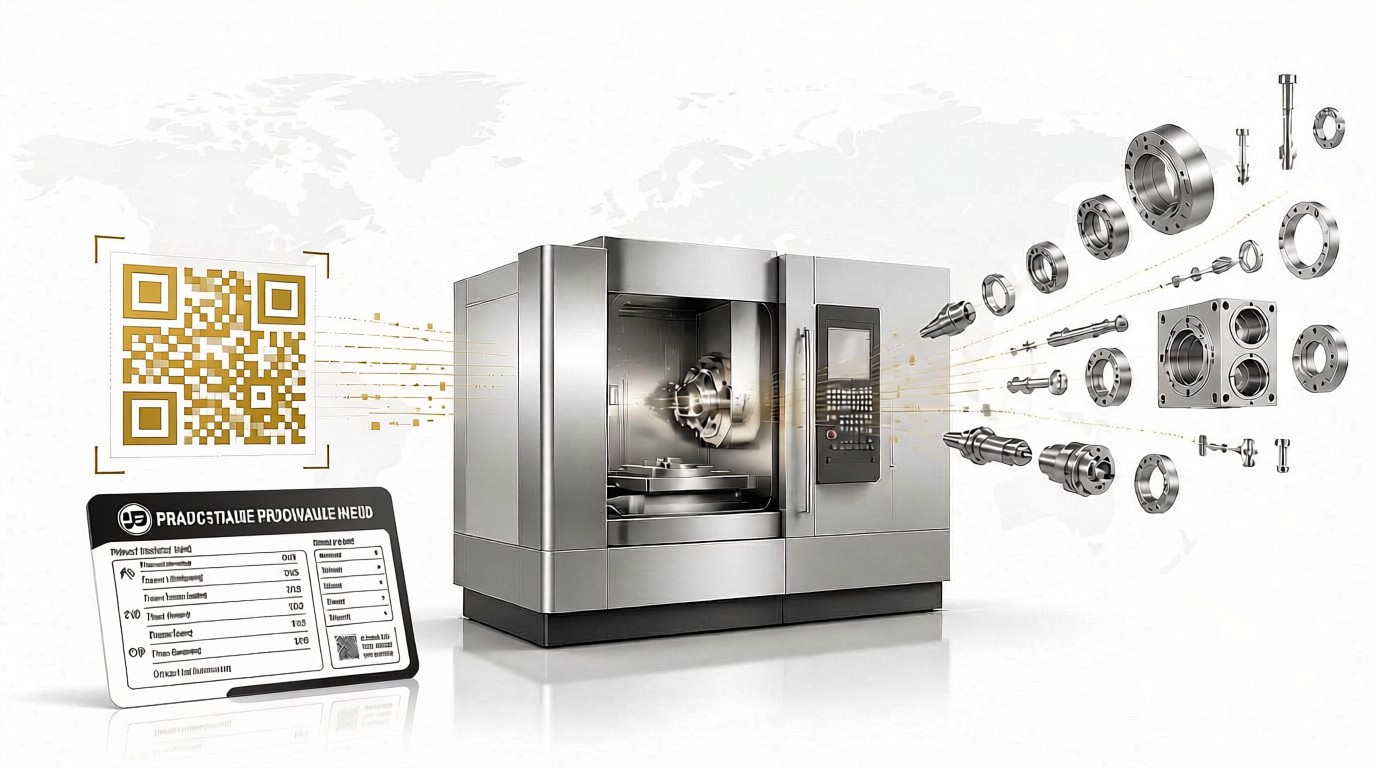 From Compliance to Competitiveness: How the Machine Tool Industry Can Embrace the Digital Product Passport (DPP)Following the EU’s Ecodesign for Sustainable Products Regulation (ESPR), the Digital Product Passport (DPP) is becoming a critical issue for global manufacturing and supply chains. For the machine tool industry, the DPP is more than a compliance requirement; it is a foundation for product data governance, supply chain collaboration and lifecycle services. Taiwanese machine tool companies should begin building unique product identifiers, data mapping and cross-system integration capabilities to transform regulatory pressure into a driver of smart manufacturing, sustainability and international competitiveness.
 -
 The Next Frontier for Overseas Expansion: Taiwan’s Machine Tool Industry in the U.S., Japan, and EuropeAmid global supply chain restructuring and geopolitical shifts, Taiwanese machine tool companies are exploring new opportunities in the U.S., Japan, and European markets. Through three practical cases, this article highlights that successful overseas expansion requires more than market strategy; companies must carefully address cost structures, tax and customs planning, labor regulations, visa requirements, and cultural differences. For Taiwan’s SME-dominated machine tool sector, leveraging government support, adopting coordinated industry-wide expansion models, and engaging localized professional expertise will be essential to reducing trial-and-error costs, strengthening operational resilience, and building sustainable competitiveness in advanced international markets.
 -
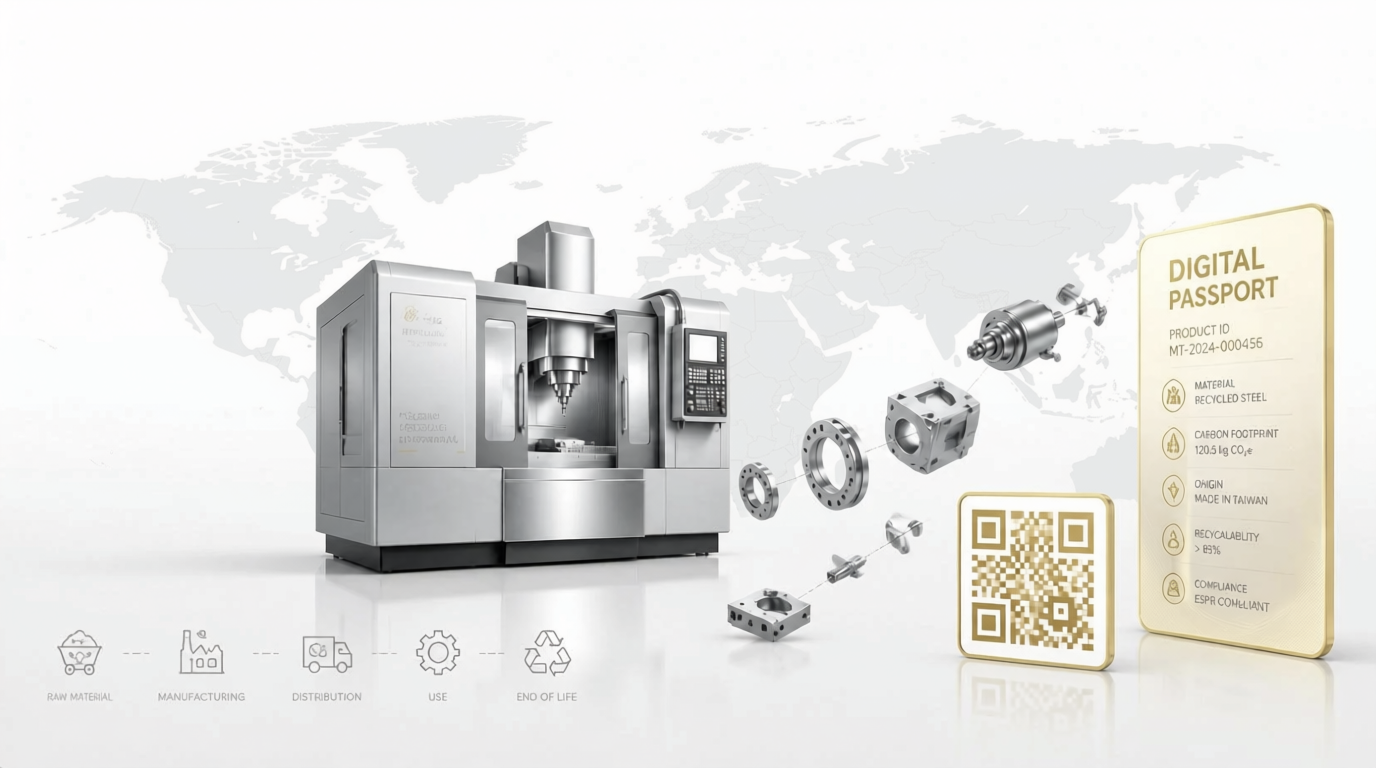 Toward Transparent Global Supply Chains: Insights from Digital Product Passports and the ESPRDriven by net-zero transition and the circular economy, international markets are placing growing emphasis on product information transparency. The EU’s ESPR and Digital Product Passport (DPP) are bringing lifecycle data, material composition, repairability, recycled content, and end-of-life information into market access and compliance management. For Taiwan’s machine tool industry, the DPP should not be viewed merely as a regulatory reporting tool, but as a foundation for data governance, supply chain traceability, and international trust. Companies should begin by reviewing existing ERP, PLM, MES, and BOM data, and gradually build standardized, machine-readable, and interoperable data systems for the era of transparent supply chains.
 -
 The EU Cyber Resilience Act Is Coming : New Cybersecurity Compliance Challenges for Machine Tool Exports - Part IIThe EU Cyber Resilience Act (CRA) will introduce mandatory cybersecurity requirements for products with digital elements entering the European market, creating major implications for increasingly connected and digitalized machine tools. This article explains CRA requirements for secure-by-design, secure-by-default, vulnerability management, secure updates, and lifecycle security. It also examines how IEC 62443 can help machine tool builders translate regulatory obligations into practical engineering processes and product security controls. In addition, the article highlights EN 40000 as a future harmonized standard pathway for CRA compliance, urging companies to prepare through product architecture mapping, SBOM management, vulnerability handling, and technical documentation to strengthen export competitiveness.